
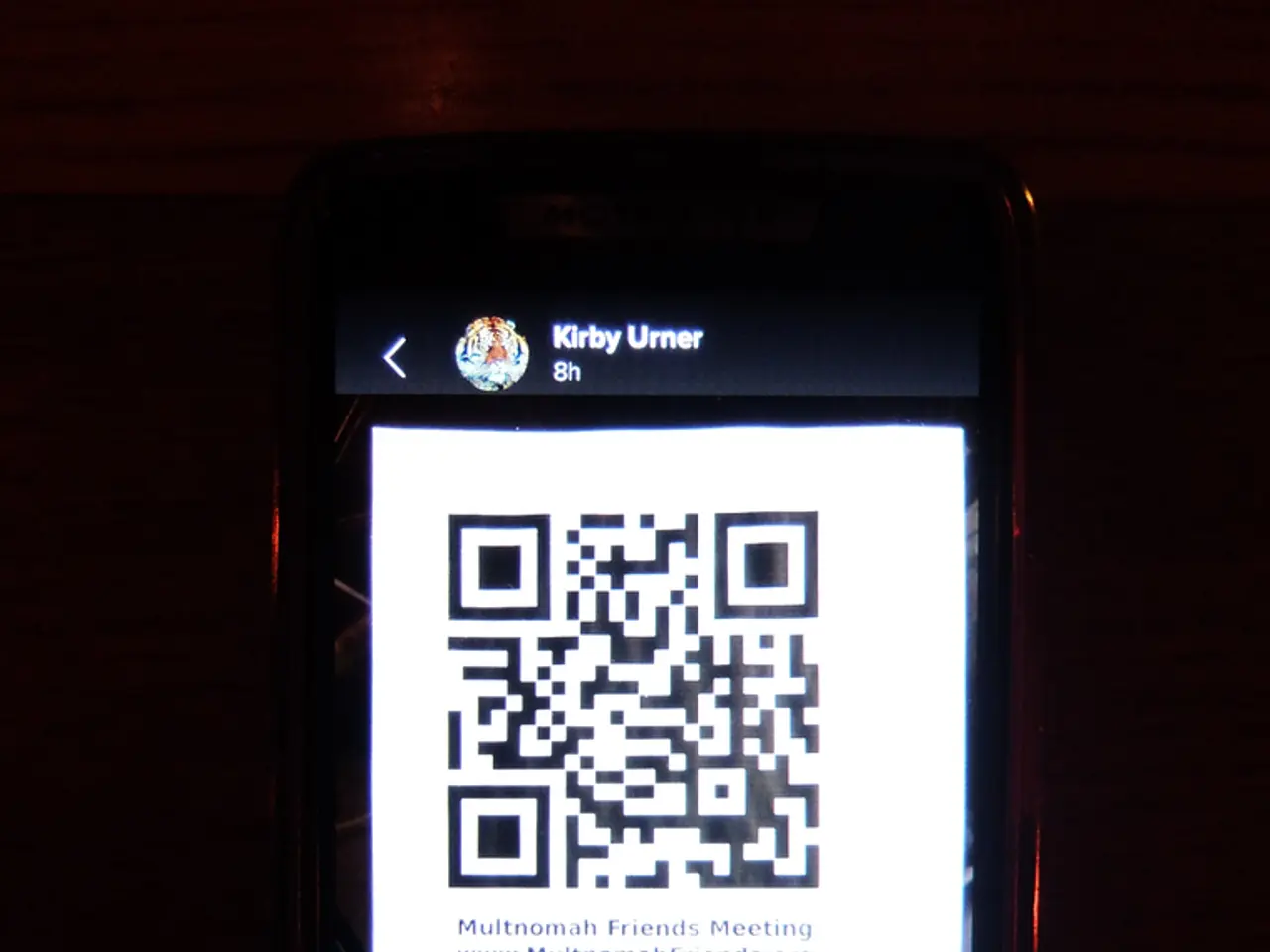
QR codes are now being exploited in sinister QUISching assaults, often unnoticed by many; here's how to ensure your safety.
In today's digital age, QR codes have become a common sight, making transactions and interactions more convenient. However, these seemingly harmless codes are increasingly being targeted by cybercriminals in a practice known as "quishing" - a form of phishing that exploits QR codes.
First and foremost, it's crucial to be vigilant. Even legitimate-looking email addresses might not mean that you're in the clear. Never provide any personal information or login credentials when scanning a QR code, especially if it's embedded in an unexpected email.
When it comes to QR codes, trust is essential. Only scan QR codes from trusted, verified sources. Avoid scanning codes in unsolicited emails, messages, or suspicious physical locations.
After scanning a QR code, scrutinize the URL carefully and compare it to what you know as the real deal before following it. QR codes are often used as a medium for sending phishing links, with 26% of all malicious links being delivered this way.
To enhance your safety, consider using QR code scanner apps that check link safety before opening. Also, enable two-factor or multi-factor authentication (2FA/MFA) on your accounts for added security.
Scammers can also tamper with posters or flyers that contain QR codes, and they can physically replace QR codes found in public spaces like parking lots. For high-risk scenarios, consider identity theft protection services and antivirus apps, especially on Android devices.
If you suspect you've encountered a malicious QR code, immediately disconnect your device from the internet, change your passwords, run malware scans, monitor your accounts for suspicious activity, and report the incident to appropriate authorities or IT support if available.
In conclusion, vigilance before scanning and after following QR codes, combined with strong authentication and security hygiene, are effective defenses against quishing scams. By following these key precautions, you can ensure a safer digital experience.
References: [1] TechRadar. (2021). How to scan QR codes safely. TechRadar. https://www.techradar.com/how-to/how-to-scan-qr-codes-safely [2] Norton. (n.d.). QR Code Scams: How to Avoid Them. Norton. https://us.norton.com/cyber-safety/qr-code-scams/ [3] Cybersecurity and Infrastructure Security Agency. (2021). Protecting Mobile Devices from Cyber Threats. Cybersecurity and Infrastructure Security Agency. https://www.cisa.gov/publication/protecting-mobile-devices-cyber-threats [4] Kaspersky. (2021). How to protect yourself from QR code scams. Kaspersky. https://www.kaspersky.com/resource-center/threats/qr-code-scams
- Utilizing trustworthy QR code scanner apps that verify link safety prior to opening can significantly reduce the risk of encountering malicious phishing links, as around 26% of all malicious links are delivered using QR codes.
- Providing personal information or login credentials when scanning a QR code, especially if it's embedded in an unexpected email, is highly discouraged, as it opens the door for cybercriminals practicing quishing.
- In the realm of finance, gambling, and technology, general-news and crime-and-justice sectors should be aware of the increasing threats posed by quishing, and take measures to protect their online assets by adhering to cybersecurity best practices.




